
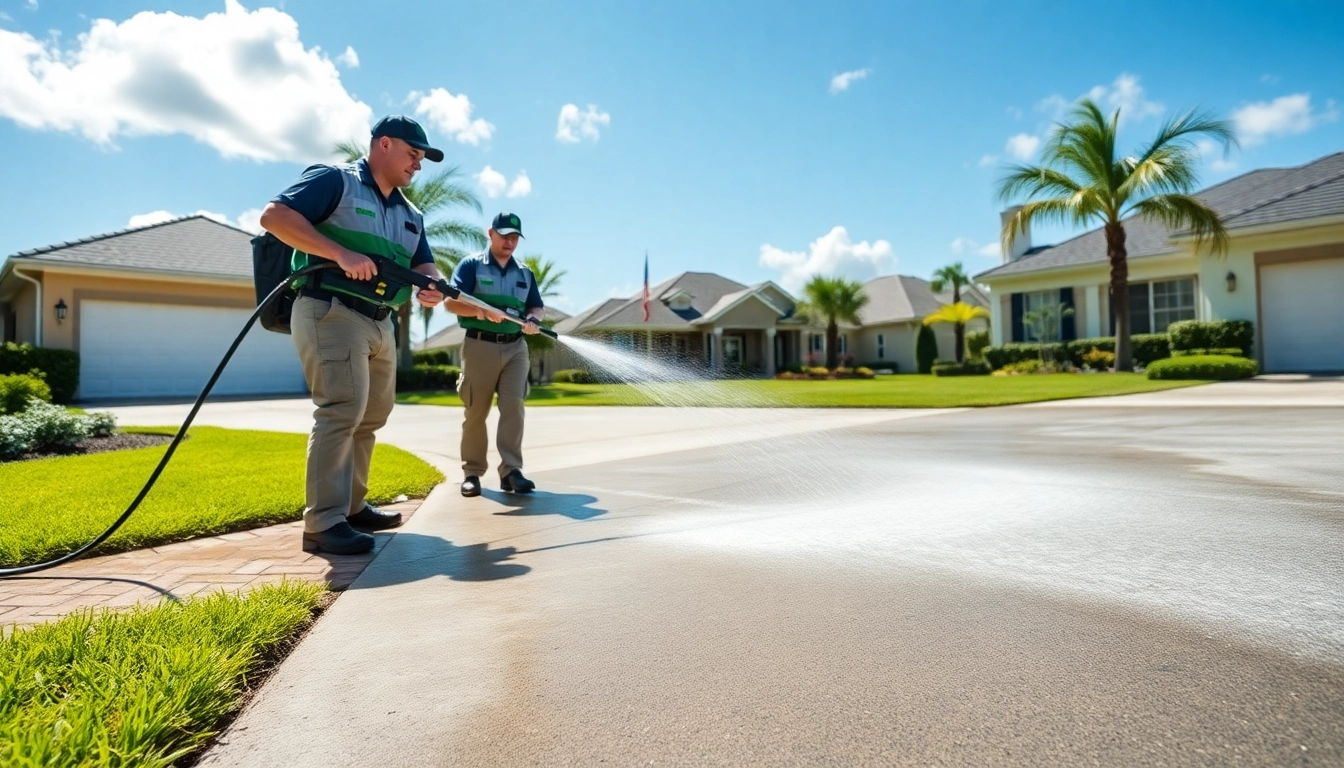
Understanding Driveway Pressure Wash Techniques
Driveway pressure washing is an essential maintenance task that not only enhances curb appeal but also extends the lifespan of your driveway. With the combination of high-pressure water and specialized techniques, driveway pressure wash effectively removes dirt, grime, oil stains, and other residues that accumulate over time. This guide explores the methods, benefits, and best practices of driveway pressure washing, making it a valuable resource for homeowners and property managers in Kissimmee and the greater Orlando area. When exploring options, Driveway pressure wash provides comprehensive insights on how to maintain your driveway in pristine condition.
What Is Driveway Pressure Washing?
Driveway pressure washing involves using a high-pressure water spray to clean concrete surfaces effectively. This method combines mechanical force with water to dislodge and remove contaminants that standard cleaning methods cannot address. Unlike traditional scrubbing or mopping, pressure washing employs significantly higher water pressure to achieve a deep clean, making it particularly suitable for driveways that often endure heavy staining from vehicles, oils, and environmental pollutants.
Benefits of Professional Driveway Pressure Wash
- Enhanced Aesthetic Appeal: A clean driveway significantly boosts your property's visual appeal, making a great first impression on visitors and potential buyers.
- Prevention of Damage: Regular pressure washing removes harmful substances like mold, mildew, and algae that can deteriorate the driveway material.
- Increased Safety: Removing slippery substances and debris reduces the risk of accidents, making your driveway safer for pedestrians and vehicles.
- Time-Saving: Professionals use advanced equipment and techniques to ensure thorough cleaning in a fraction of the time it would take a homeowner to do it manually.
Common Methods Used in Driveway Cleaning
There are a variety of methods employed in driveway pressure washing, each designed to tackle specific types of stains and contaminants:
- Hot Water Pressure Washing: This method utilizes heated water, which is particularly effective in breaking down oil and grease stains, ensuring a more thorough clean.
- Soft Washing: Some surfaces require a gentler approach. Soft washing uses lower pressure and eco-friendly detergents to safely clean without damaging the surface.
- Surface Cleaning: Surface cleaners are specialized attachments for pressure washers that evenly distribute pressure across a wider area, making them ideal for large driveways.
Choosing the Right Equipment for Effective Pressure Washing
Choosing the appropriate equipment is crucial for effective driveway pressure washing. Whether you are a DIY enthusiast or hiring professionals, understanding the tools available can lead to optimal results.
Essential Tools for Driveway Pressure Wash
- Pressure Washer: Essential for any driveway cleaning task, choose between gas or electric models based on your specific needs.
- Surface Cleaner Attachment: This tool helps cover large areas more efficiently and ensures an even clean.
- Detergents and Cleaning Agents: Selecting the right eco-friendly cleaning solution can enhance the effectiveness of the pressure washing process.
Comparing Gas vs. Electric Pressure Washers
When selecting a pressure washer, consider the following differences between gas and electric models:
- Power: Gas pressure washers typically provide higher PSI and GPM ratings, making them suitable for heavy-duty cleaning tasks.
- Portability: Electric pressure washers are lighter and easier to maneuver but may not be powerful enough for tough stains.
- Maintenance: Gas-powered models require more maintenance than electric washers, which usually need just an occasional check of hoses and connections.
Safety Gear and Precautions for Users
When engaging in driveway pressure washing, safety is paramount. Always wear appropriate safety gear, including:
- Safety Goggles: Protects your eyes from flying debris and chemical splashes.
- Gloves: Essential for hand protection when handling detergents and during the washing process.
- Non-Slip Footwear: Ensures stability while operating the pressure washer on potentially slippery surfaces.
DIY vs. Professional Driveway Pressure Washing
Deciding between DIY pressure washing and hiring professionals involves weighing several factors, including cost, expertise, and time considerations. Understanding the pros and cons of each can help you make the right choice.
When to Consider DIY Driveway Cleaning
DIY driveway pressure washing can be suitable when:
- You have the necessary equipment and knowledge to operate it safely and effectively.
- Your driveway has minimal staining and requires periodic maintenance instead of heavy-duty cleaning.
- You enjoy DIY projects and are comfortable managing the workload.
Pros and Cons of Hiring Professionals
Hiring a professional service has its advantages and disadvantages:
- Pros: Access to advanced equipment, expertise in dealing with various stains, and assurance of quality results.
- Cons: Higher upfront costs compared to the DIY approach, although often justified by the quality and efficiency of the work.
Cost Comparison: DIY vs Professional Services
When considering the financial aspect, a DIY approach may seem cheaper initially, but it's essential to factor in:
- The cost of purchasing or renting equipment.
- Expenses for cleaning solutions and safety equipment.
- The time and effort required to learn and execute the work effectively.
- Potential damage costs if not performed correctly.
Best Practices for Maintaining a Clean Driveway
Once your driveway is professionally cleaned, follow these best practices for ongoing maintenance:
Routine Maintenance Tips for Driveways
- Regular Inspections: Check for stains or debris regularly and deal with them promptly.
- Use a Broom or Blower: Remove leaves, dirt, and debris weekly to prevent buildup.
- Immediate Stain Treatment: Treat spills as soon as they happen to minimize staining.
Preventing Stains and Damage on Your Driveway
Preventative measures can significantly extend the lifespan of your driveway:
- Sealants: Consider applying a sealant to protect the surface from moisture and oil spills.
- Avoiding Heavy Loads: Do not park heavy vehicles in the same spot for extended periods, as this can lead to crack formation.
Seasonal Considerations for Driveway Maintenance
Different seasons can affect driveway maintenance needs:
- Winter: Ice melt products should be used with caution as some can cause surface damage.
- Summer: More frequent cleaning may be necessary due to pollen and other summer debris.
Future Trends in Driveway Pressure Washing
The pressure washing industry is continuously evolving. Here are some noteworthy trends shaping its future:
Emerging Technologies in Pressure Washing Equipment
New technologies are being developed to enhance the efficiency and effectiveness of pressure washing equipment:
- Smart Pressure Washers: Connected devices that optimize pressure and water usage based on the surface being cleaned.
- Robotic Pressure Washers: Automated systems that can clean driveways with minimal human intervention.
Eco-Friendly Cleaning Solutions for Driveways
As environmental concerns grow, the demand for biodegradable and non-toxic cleaning agents increases. Many companies are now offering eco-friendly alternatives that effectively clean surfaces without harming the environment.
Predictions for the Pressure Washing Industry in 2025
Looking ahead to 2025, we can expect:
- Increased emphasis on green cleaning practices.
- Stricter regulations on water usage, leading to more efficient cleaning techniques.
- The growth of mobile pressure washing services that offer convenience to homeowners and businesses.